The mystical allure of archival fashion has taken the world by storm since that is all we have been experiencing in the past 2 years. Garments preserved like pressed flowers in the pages of fashion history are now whispering to Hollywood’s powerhouses. What started as a unique and novel idea has turned into a full-blown movement, with the audience expecting their favorite celebrity to show up in a vintage ensemble, and image architects are not disappointing. Think Bella Hadid in Jean Paul Gaultier or Zendaya in Louis Vuitton or Ariana Grande in Dior, or Cynthia Erivo in Givenchy. What do all these icons have in common?
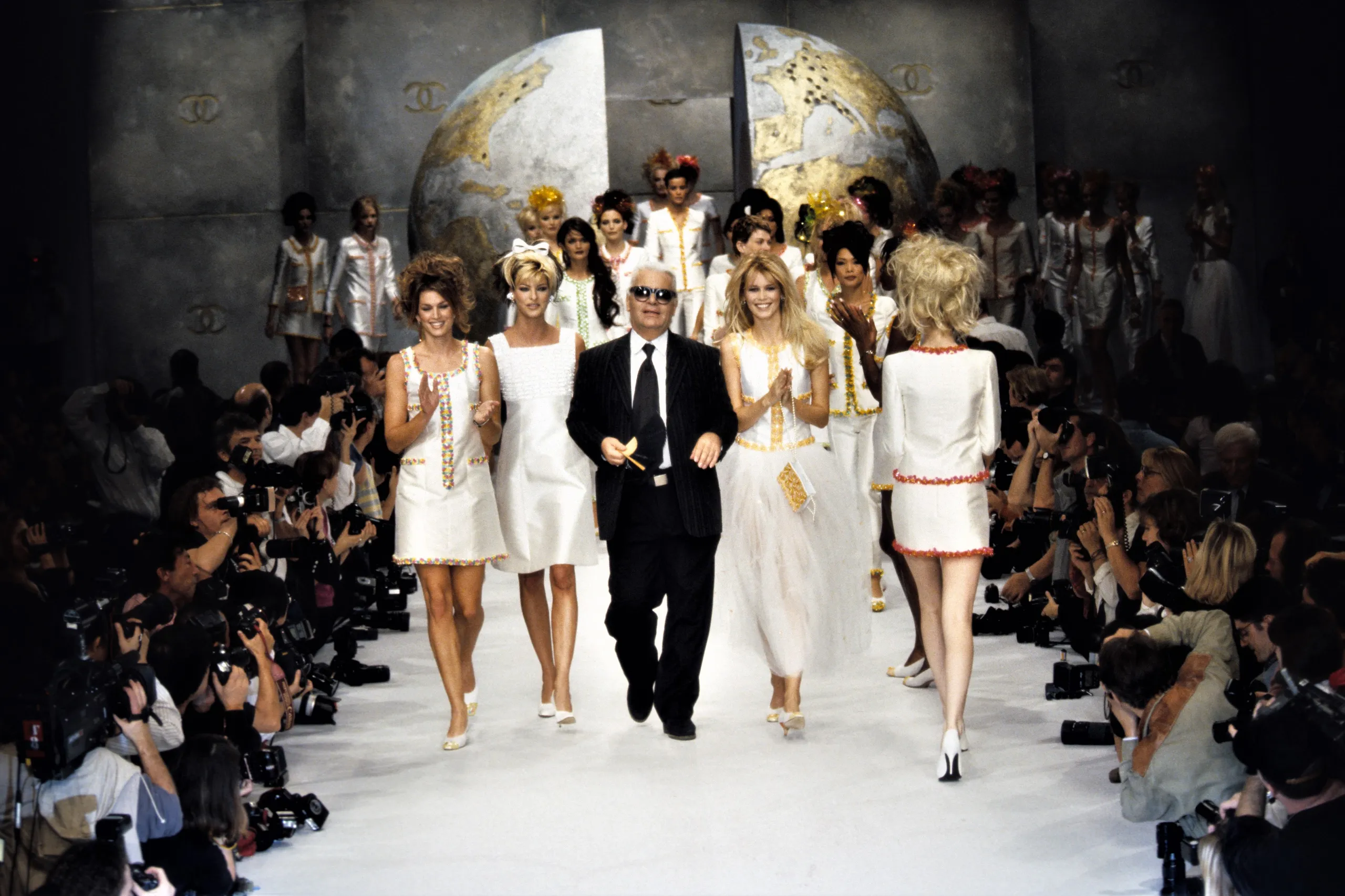
They are all sample size. They can source looks from any designer’s 1980s or 1990s collection and not worry about fitting in it. Beneath all the allure lies an inconvenient truth: the archive is not neutral. It is curated, constricted, and shaped by the narrow silhouettes of its time.
To understand this current limitation, a simple glance at the era in which many archival pieces were born would dawn profound revelations. Designers of the past were not designing for a broad public, let alone a broad range of bodies. Their muses, fittings, and fantasies revolved around specific shapes that were often willowy, elongated, cinched and snatched. Size inclusion was neither an expectation nor an aspiration. It simply wasn’t a concern. The fashion house hierarchy favored the sample size as a fixed ideal, and the industry’s infrastructure was built around that ideal. Patterns, toiles, and mannequins: all mirrored a singular silhouette.
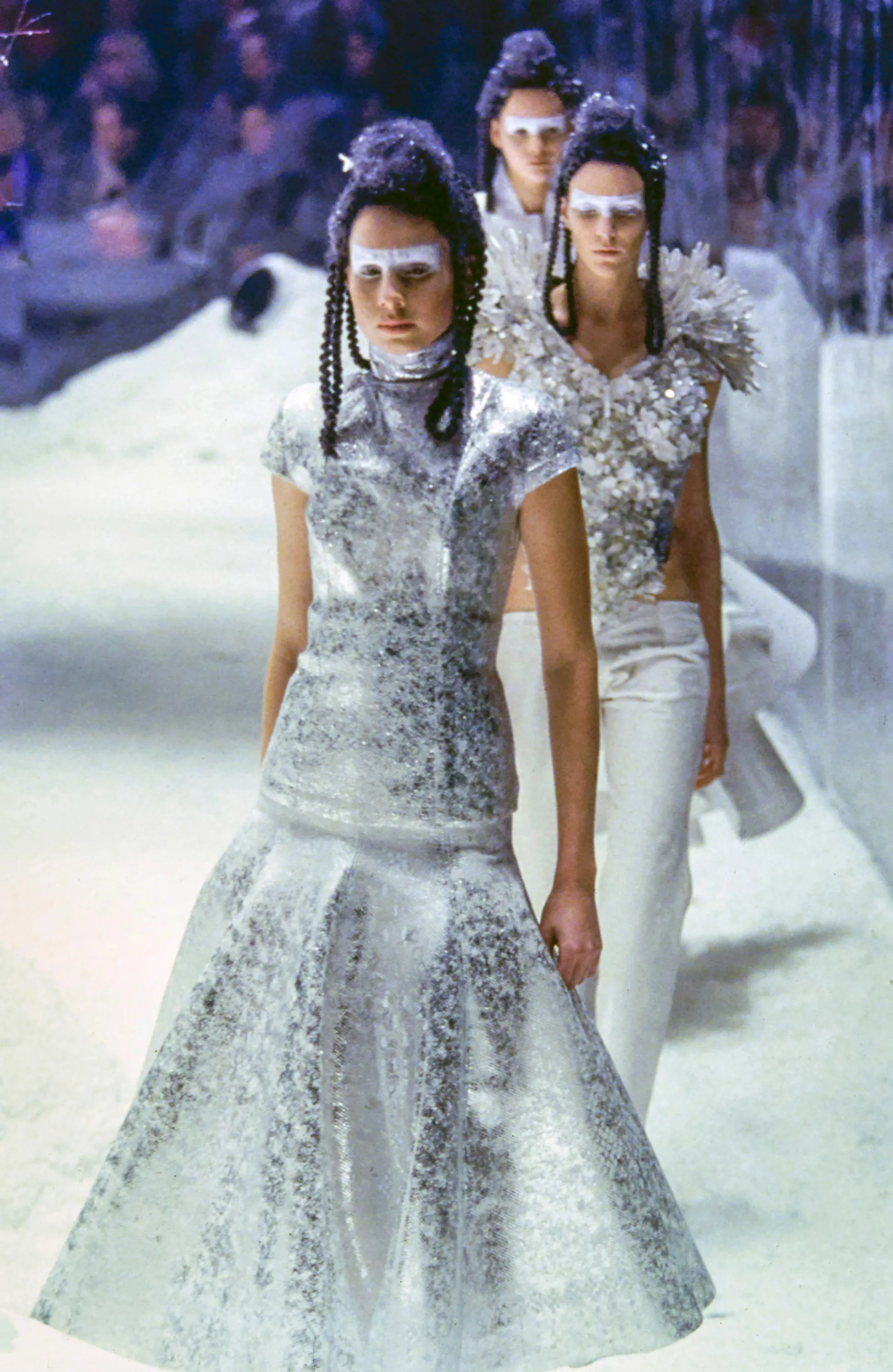
In conversations with Ria Sawant, the Editorial Writer of FashionTV, she casually mentioned a harsh truth: “It’s the natural conditioning of the patriarchal world that women should be frail, petite, and a certain body type and designers grabbed that torch and marched ahead in that direction.”
Which makes us realize that collectors, too, shape the narrative. In the world of archival fashion, originality is prized with almost religious reverence. Any deviation—a lengthened hem, widened waist, or restructured bodice—is seen as a sacrilege. Archival fashion is a beautiful but biased mirror—reflecting only those bodies it was made for while quietly erasing the rest. Its inability to be size-inclusive is not a modern failing but a historical inheritance, a consequence of choices made long before inclusivity became a value.
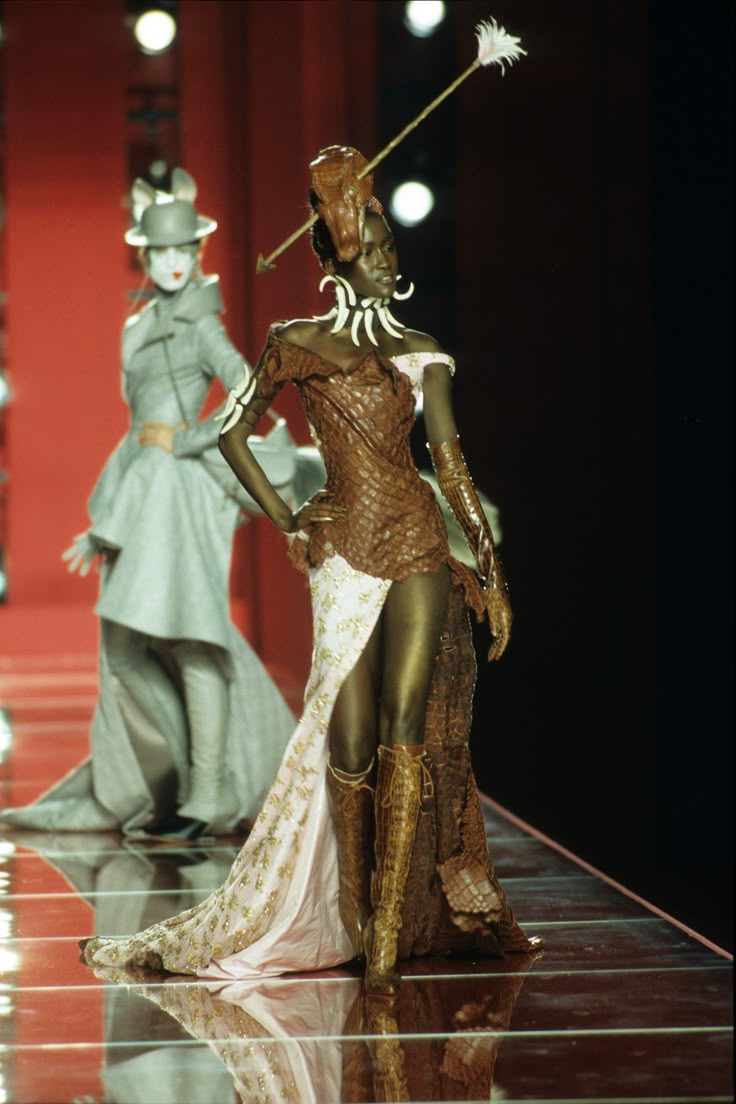
Dior 2000
Moving forward, it would be inspiring to see luxury heritage houses embrace varied body types, revealing that true elegance lies not in uniform silhouettes but in the resonance of an idea. When craftsmanship meets inclusivity, fashion transcends ornament and becomes a cultural gesture—quiet, enduring, and profoundly humane in its intent.