History of the “slow fashion movement”
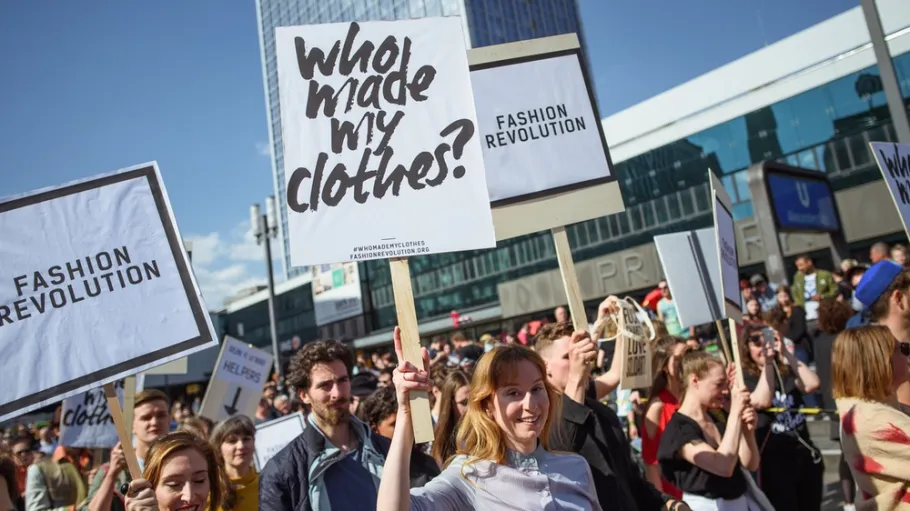
The term "slow fashion" surfaced from an article by Kate Fletcher in 2007, published in The Ecologist. Fletcher took inspiration from the slow food movement that originated in Italy to lay the framework of the slow fashion movement, she primarily advocated for ethical consumption, quality driven clothes, and economic fluctuation amongst wage workers. This came into being as a counter to the fast fashion industry and an accountable step to prevent cases like the Rana Plaza collapse.
Post-Rana Plaza collapse, International efforts and scrutiny around the wage worker conditions induced by big corporations (Zara, Mango, H&M, etc) in developing countries resulted in legal actions. The wage laws were revisited and redefined with a 75 percent hike in the minimum wage, along with safety-focused agreements and a few fast fashion brands making public commitments of livable wage.
India’s slow fashion movement
Incredible India
As opposed to the western conceptualization of slow fashion in India it leans towards historical reclamation. A repossession of the industry tainted by colonial rule, India has always cherished its roots of slow fashion that dates back to over 3000 years with textiles like hand painted Kalamkari. During British colonial rule, the Indian textile industry was flooded with cheap goods and machinery with a heavy touch of taxation, which later gave birth to the Swadeshi movement that empowered local artisan and championed Khadi as the “fabric of freedom”. To them the slow fashion movement is not a counterfeit to fast fashion rather a heretical resumption.
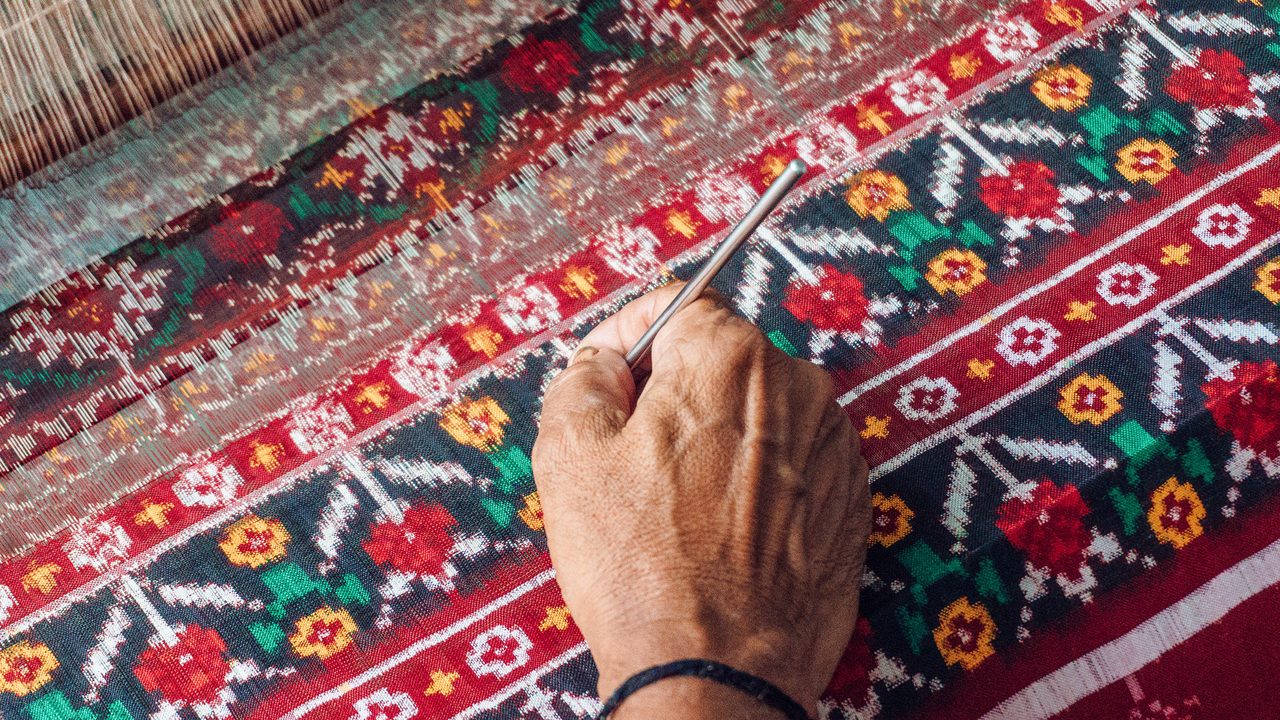
The rise of fast fashion in the 20th century posed a threat to artisanship but support flowed through government institutions like the Development Commissioner (Handlooms), National Handloom Development Corporation and Weavers' Service Centres (WSCs). Government interest in preservation of heritage shielded the artisans from the fast paced industry. Preservation of slow artisanal techniques like kantha, an age-old sustainable and environment friendly way of sewing a new cloth from rags, and patola, a luxurious silk saree made with a skilled double ikat technique that creates complex intricate geometrical patterns, the process of making an authentic patola saree takes one year, is necessary
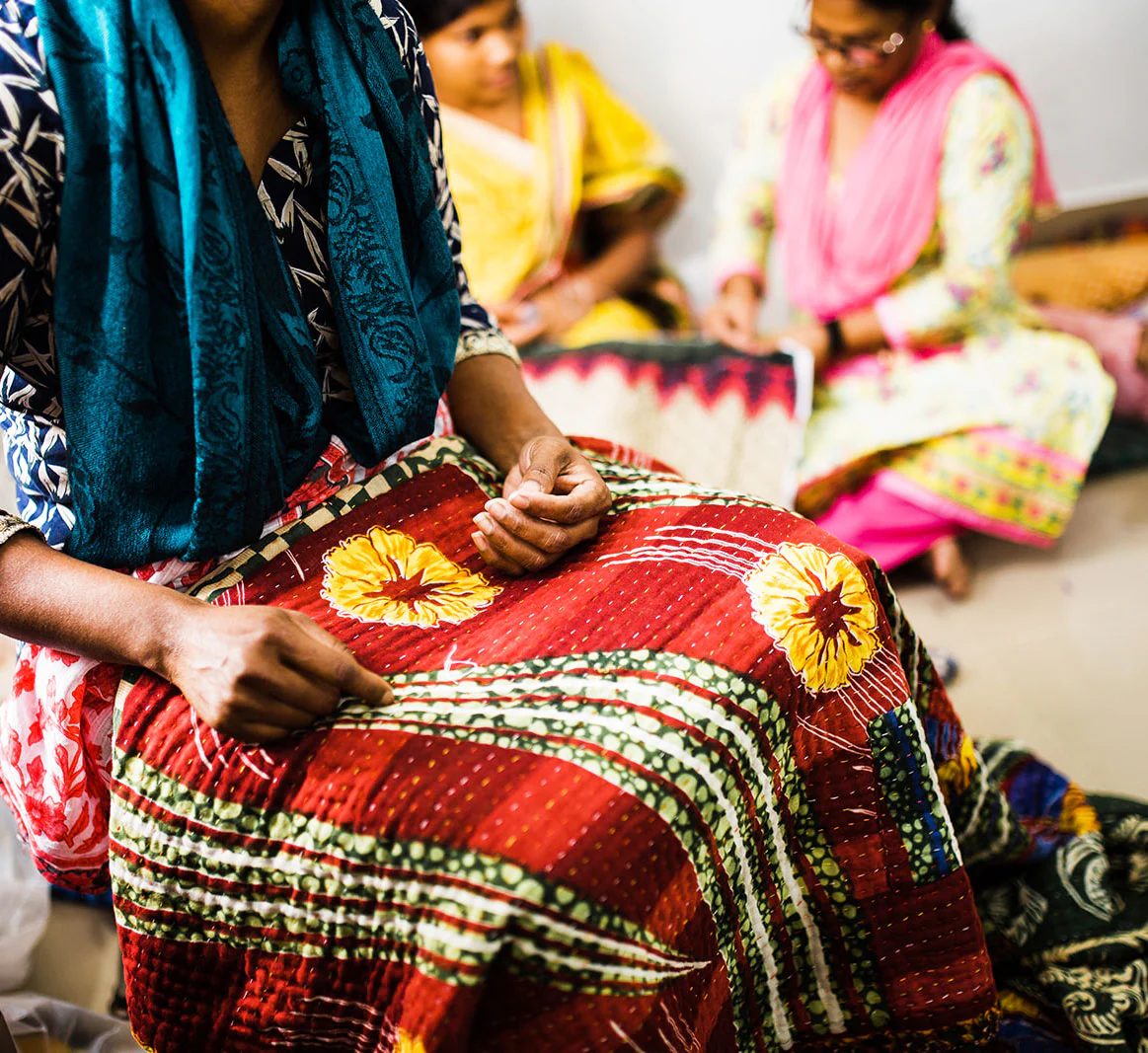
ShopDignify
The “White Saviour” complex
In revision of the slow fashion movement, Western civilization has managed to emerge as the saviour of the situation they manufactured. H&M started sourcing garments from Bangladesh in 1982, and Zara’s garments were found in the remnants of Rana Plaza. Both the corporations and other fast fashion labels that had outsourced their manufacturing there had expressed their condolences and empathies even declaring to promise livable wages to the workers, but still failed to account for the promises made. According to 2017 reports, 60 percent of Bangladeshi workers earn less than the minimum wage.
The slow fashion movement served as the perfect scapegoat to avoid accountability; H&M has rebranded and self-proclaimed to be sustainable. The empathy provided a false sense of repulsion in avoidance of flak from negligence. The movement felt alienating when corporations that endorsed and worsened the conditions felt free to impose themselves.
The Indian slow fashion stands as a contradiction to the western one, with historical revisit, revolutionary ideas, better institutional intrusion, and accountability. Western brands have a long history of taking from India, relabeling it, and extorting capital. From dupatta, lehenga, chintz fabric to double ikat (tie-dye).