Fashion doesn't work in isolation. It’s more than aesthetics; it has always been a mirror to the world’s economic ebbs and flows. During downturns, consumer behavior shifts in surprisingly consistent ways, and throughout modern history, economists and industry leaders have attempted to decode these shifts using quirky but telling indexes like the Diaper Rash Index, the Champagne Index, and the Stripper Index. Among them, in the fashion world, we have the Hemline Index, the Lipstick Index, and the lesser-known Heel Index, which provide fascinating insights into how style reflects a larger global economic scenario
As a disclaimer, please note that these are just theories and not proven to hold true in every scenario.
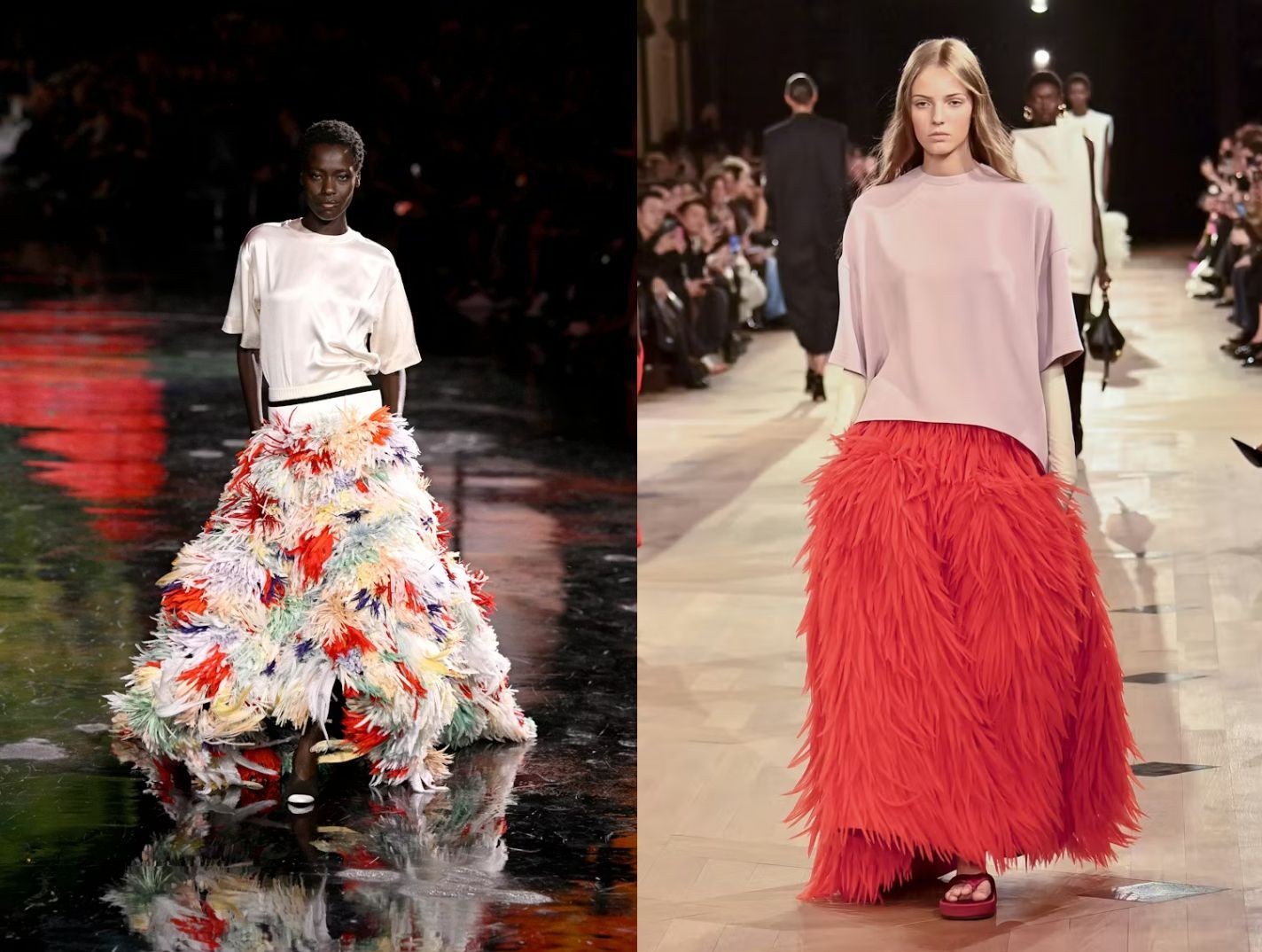
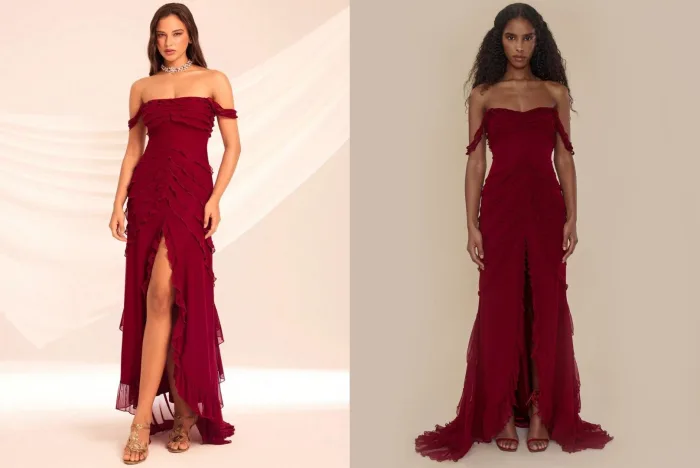
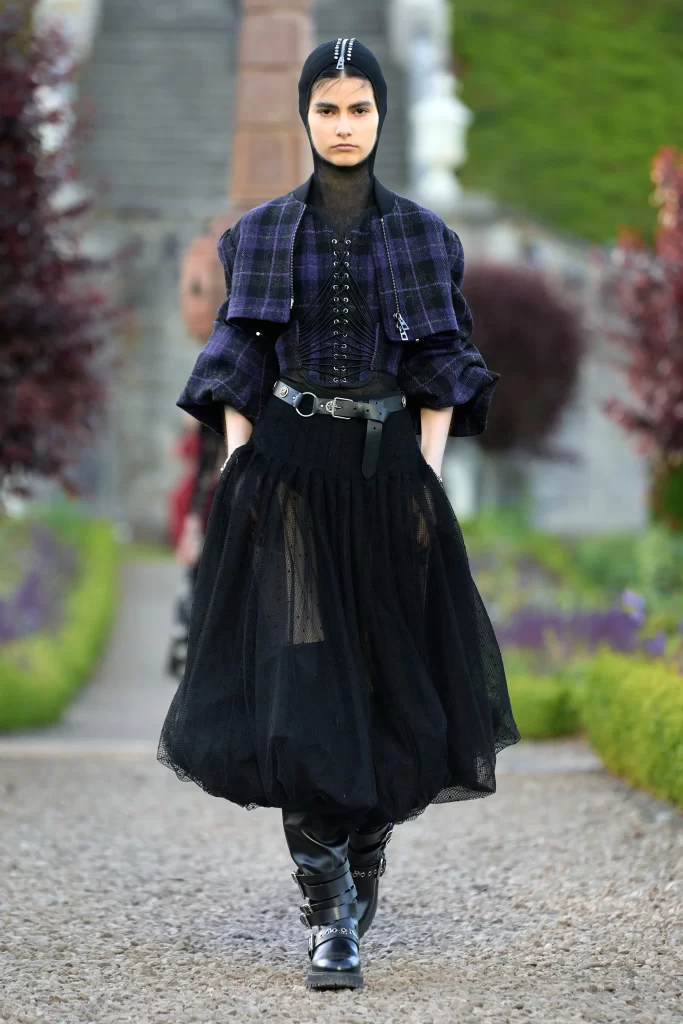
Left: Chanel Spring/Summer 2026, Right: Balenciaga Spring/Summer 2026
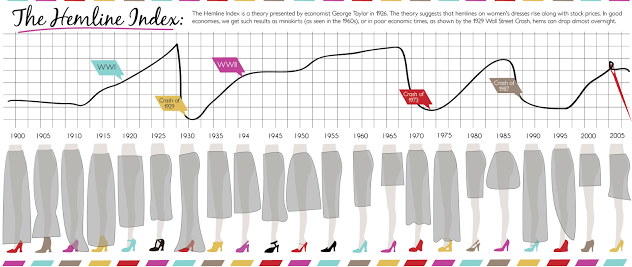
The earliest and most classic indicator is the Hemline Index, proposed in 1926 by American economist George Taylor. Observing the retail landscape of the 1920s, Taylor suggested that as per women’s skirt lengths, they feel frisky in times of economic prosperity and conservative in times of recession. This theory was put to the test when skirts were knee-length before the 2nd World War, and immediately after, Christian Dior created the “New Look,” which had a longer skirt than what women were wearing at that time. Then in the 70s we had Twiggy with her model friends sporting a Mary Quant mini skirt. Now in 2026 we have Chanel and Balenciaga showcasing opulent long skirts in their SS26 collections. Is that an indicator of the potential 2026 recession?
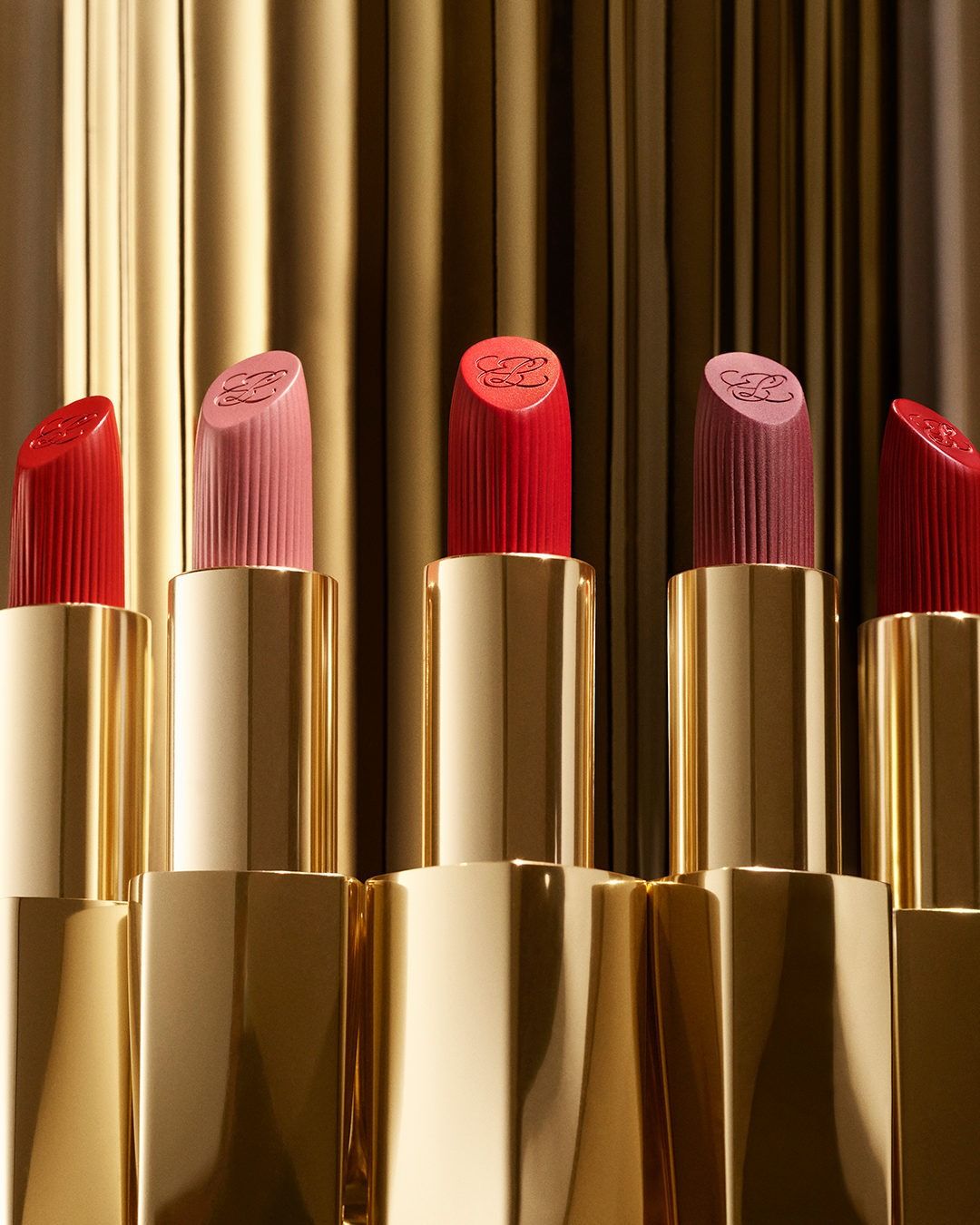
Estee Lauder
Fast forward to the 2001 recession, when Leonard Lauder, chairman of Estée Lauder, coined the Lipstick Index. He noticed that when the economy dipped, sales of lipstick rose rather than fell. The idea was simple: during hard times, consumers avoid extravagant indulgences but still seek small luxuries for instant dopamine hits. This index reappeared in discussions during the 2008 financial crisis and even post the COVID-19 pandemic.
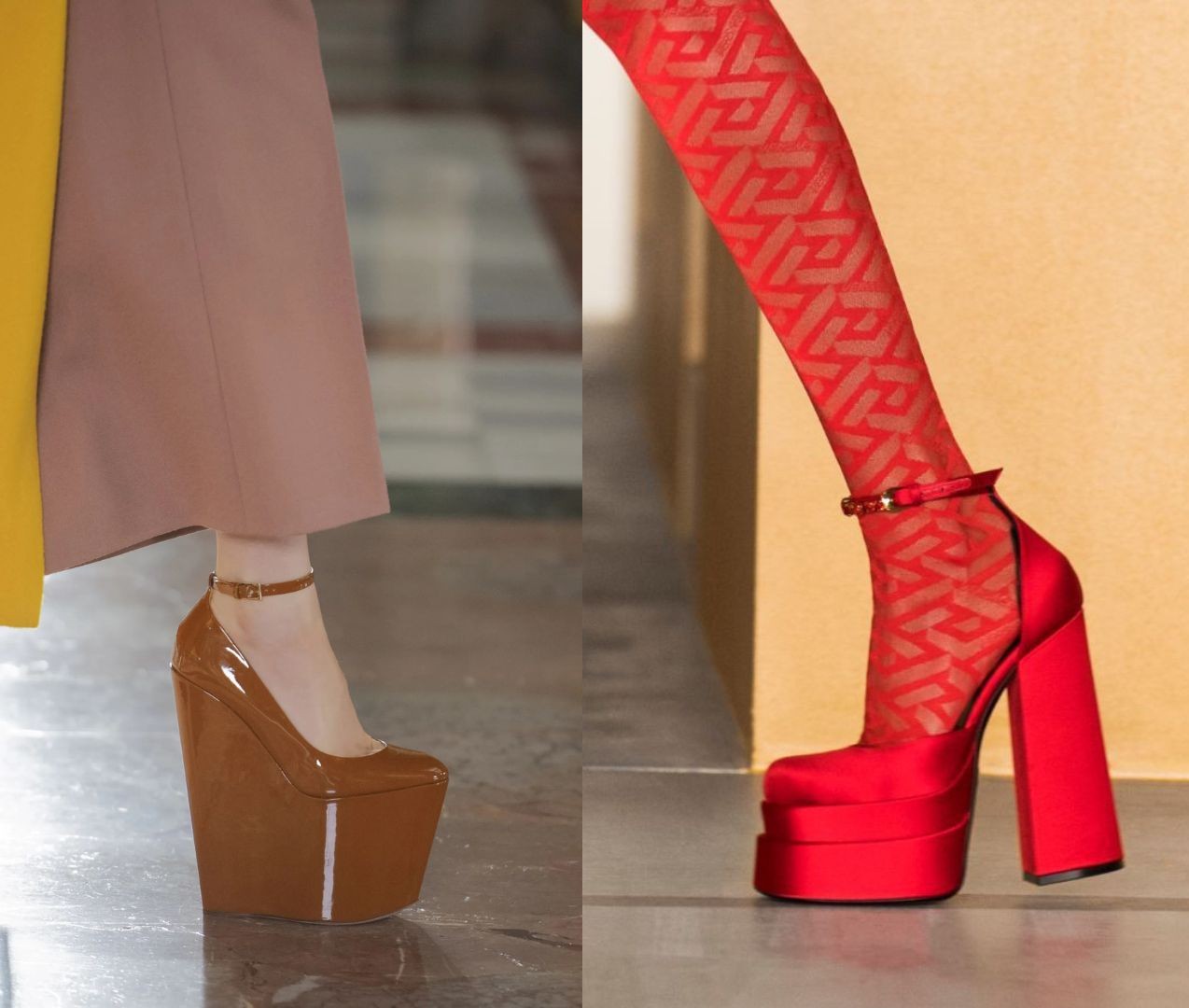
Left: Valentino Spring/Summer 2021, Right: Versace Fall/Winter 2021
A more recent, less formal idea is the Heel Index, which suggests that heel heights rise during economic downturns. Fashion historians and analysts in the late 2010s observed that recessions often coincide with a move toward impractical footwear, theorized to be a form of escapism from the harsh realities. While no single researcher formally coined it, journalists and economists alike have noted the pattern, highlighting how crises push consumers to act in rather unexpected ways. With a clear example of it being the Valentino and Versace 2021 collections.
On the surface, the world of fashion may seem like pure creativity, but these quirky economic “indexes” reveal just how closely style is tied to the world around us. While none of these theories are foolproof, they remind us that fashion doesn’t work in isolation; the world of aesthetic blends inextricably with the worlds of sociology, economics, and psychology.