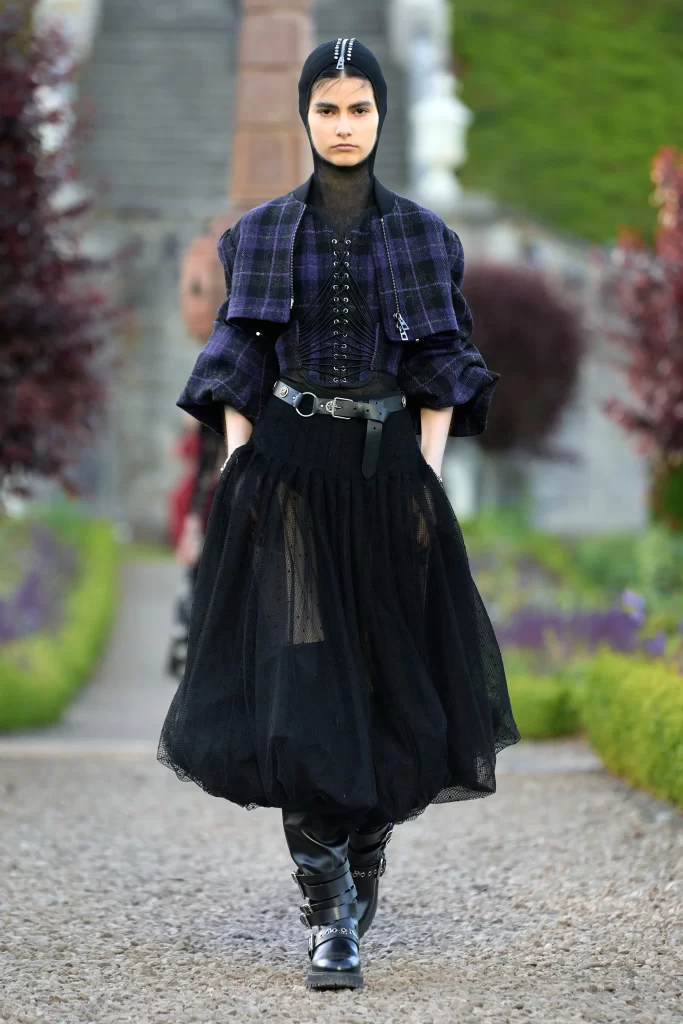
Every few months we see brands showcasing their Spring/Summer or Autumn/Winter collections. This fashion calendar was originally designed to serve the very simple purpose of dressing as per the weather outside. Spring/Summer meant light ensembles, and Autumn/Winter meant warmth.
But fashion refuses to stick by the rules, for better or for worse, and in addition to it, as global cities blurred climates and consumer appetites swelled, the calendar expanded. Now we have added to the fashion calendar not for weather but for want.
A theory suggests that brands started investing heavily into these collections as they are trying to cater to a more global audience that wants to vacation in any weather and can get something from the brand all year round.
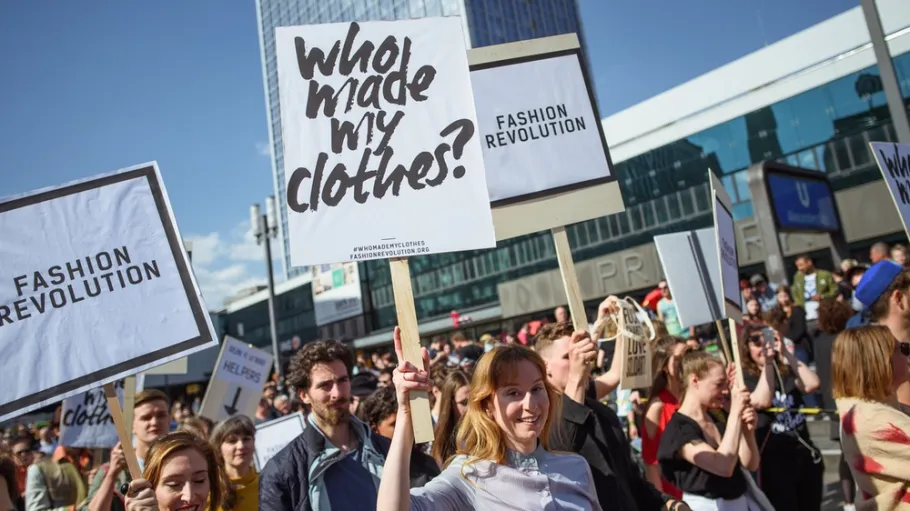
Another theory is that brands started promoting 4-6 collections a year after the accelerated rise of fast fashion. While a luxury house takes 4-5 months to translate a collection from runway to store, fast fashion houses mirror the energy in 4 weeks. The only way to compete with the giants of fast fashion is to match their speed to stay relevant in this age of short attention spans.
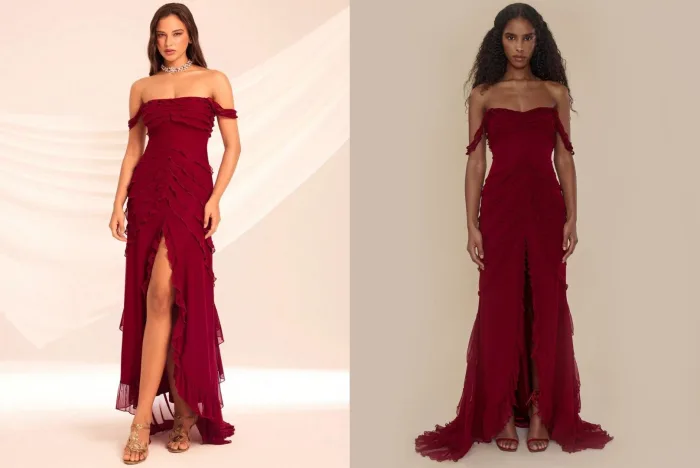
The creation of a runway takes months, for it is the birthplace of narrative, ideas, and creativity. Fast fashion cuts down this time by outsourcing these steps without crediting the originator. Notorious for stealing not only ensembles but also entire brand visual language, below are a few examples of when fast fashion played with the matrix of the calendar.
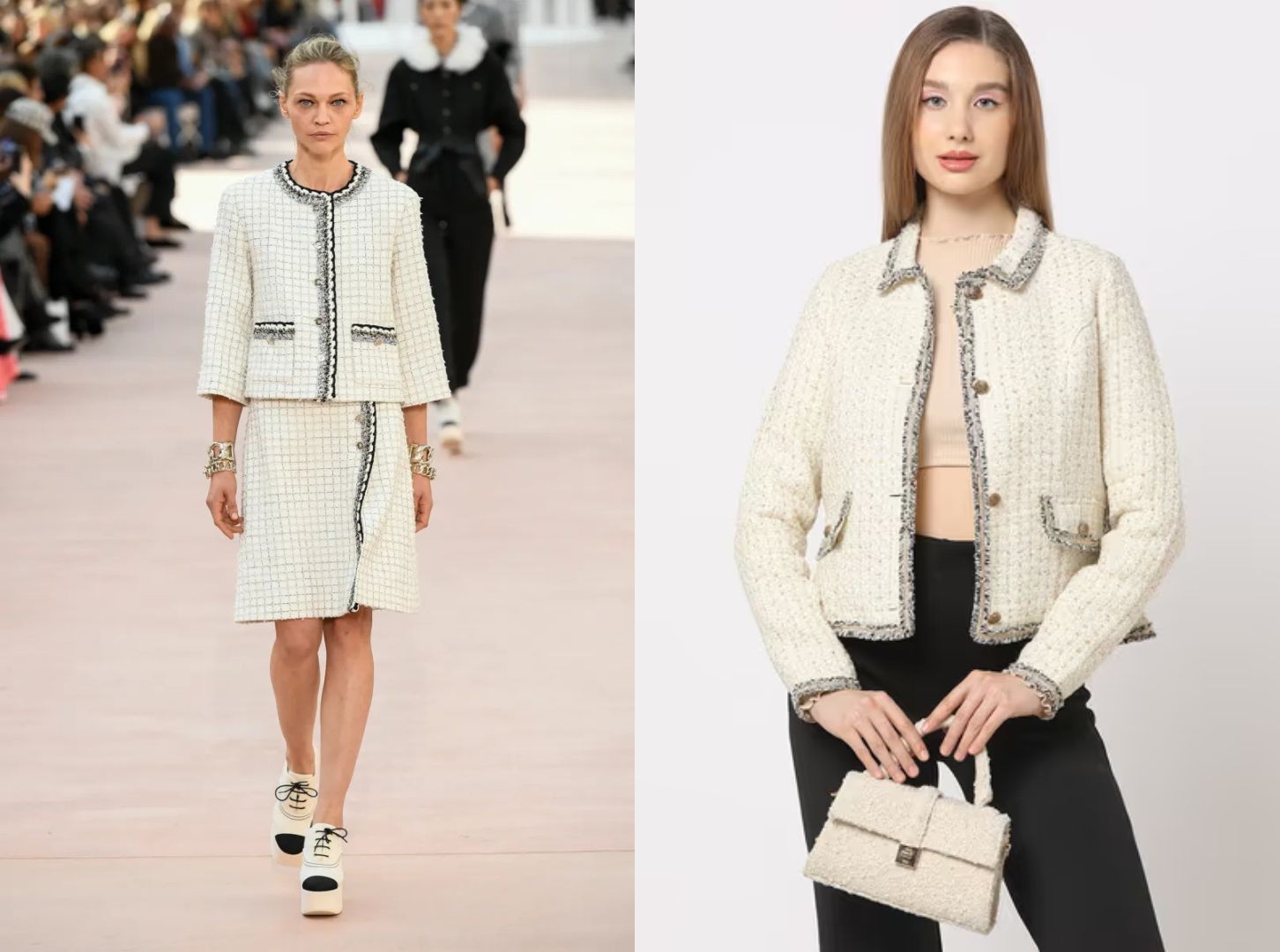
Left: Chanel RTW 2025, Right: Ajio
What catches buyers’ eyes catches fast fashion’s too. Chanel RTW 2025 showed their staple tweed jacket and skirt set in white, and understandably the demand for it rocketed sky high, to which fast fashion houses responded by swooping in to get a share of the pie.
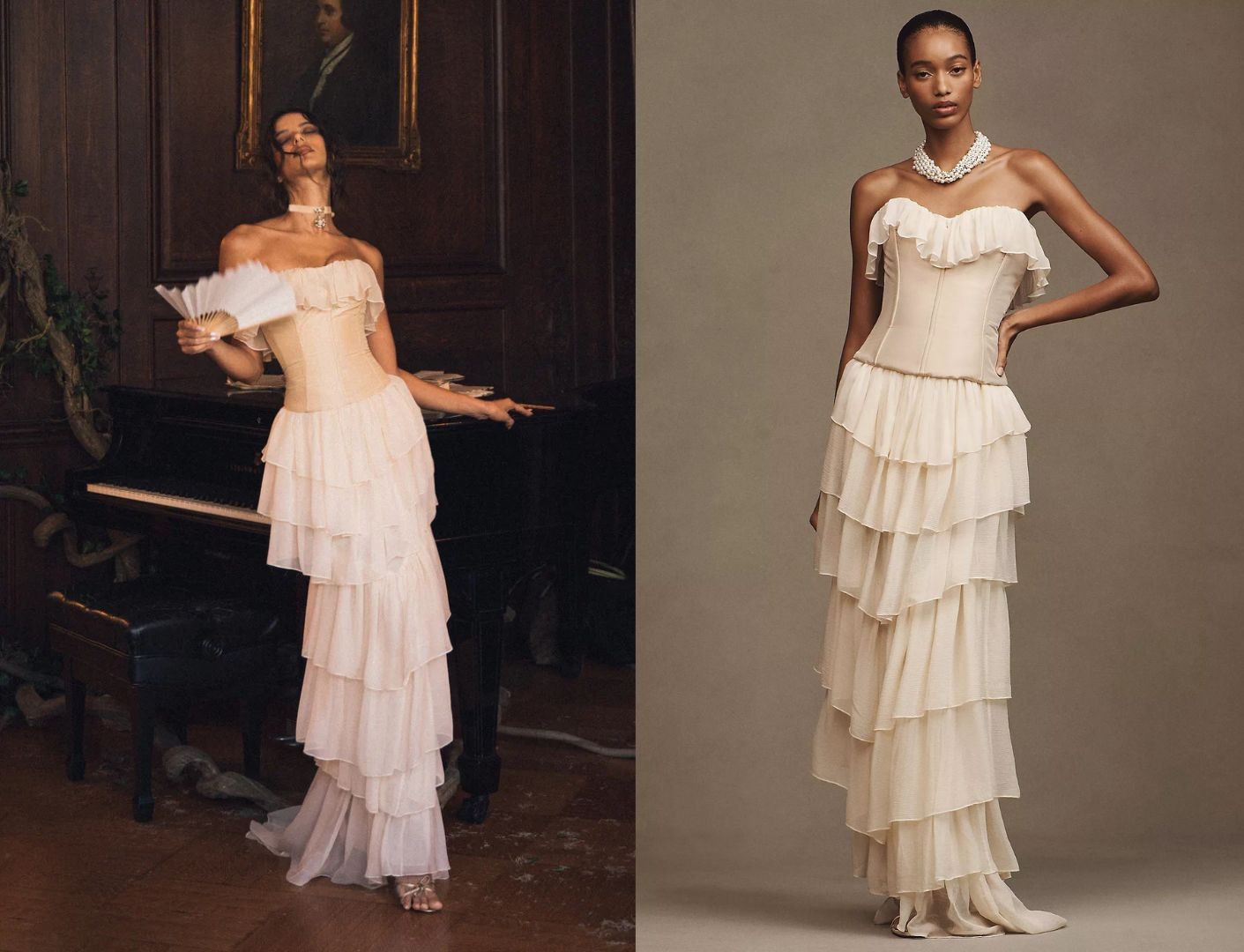
Left: Mirror Palais, Right: AliExpress
The founder of Mirror Palais, Marcelo Gaia, said, “At this point I’m an unpaid R&D house for fast fashion brands to just work on my ideas.”
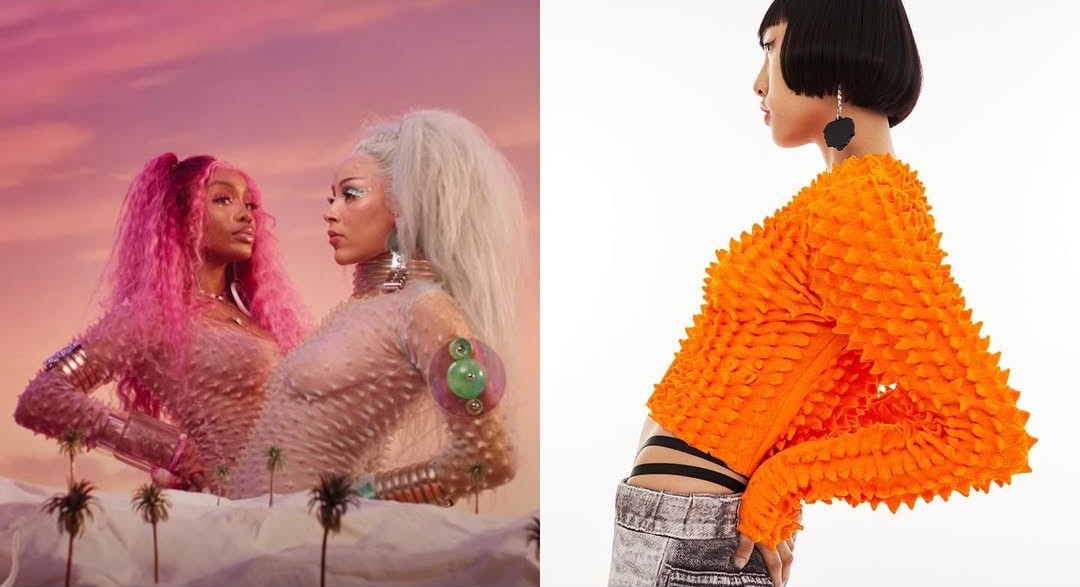
Left: Chet Lo, Right: H&M Conscious Line
If fast fashion houses do not hesitate to leverage its unfair aspects like labor, resources, and uncredited ideas alike, then what is the point of the fashion calendar? Moving ahead, what would the evolution of this be as the industry accelerates in 2026? As designers create collections, fast fashion mirrors, mimics, and multiplies every idea in record time. Will the system crash or catch up?