Resort, Cruise, Pre-Fall, and Pre-Spring: names that once suggested leisurely escapes and transitions between major seasons now flick past us in a blur. Once upon a time, these collections had clarity.
The “Resort” collection was exactly what the name says: the wardrobe of the wealthy winter escapee, sun-bound in December; think swimwear, big sun hats, resort wear dresses, and flowy, drapey, light ensembles.
On the other hand Pre-Fall collections acted as a quiet transition before the major Autumn/Winter collection. But this original thought has lost all meaning since a new definition of “higher revenue” was introduced.
To give you an overview of the timeline, originally, Resort/Cruise collections landed in stores in November, filling the commercial silence between seasonal drops. They stayed on the floor for nearly six months (an eternity in retail terms), while traditional seasonal collections lingered for merely a few weeks. With that kind of duration on the sales floor, is it any wonder Resort/Cruise became the most profitable season for many brands? But profit often comes with purpose, or the illusion of it. So the question begins to shift: were these mid-season offerings truly created for the customer’s needs, or were they designed to buy something far more strategic, like time, revenue, and relevance?
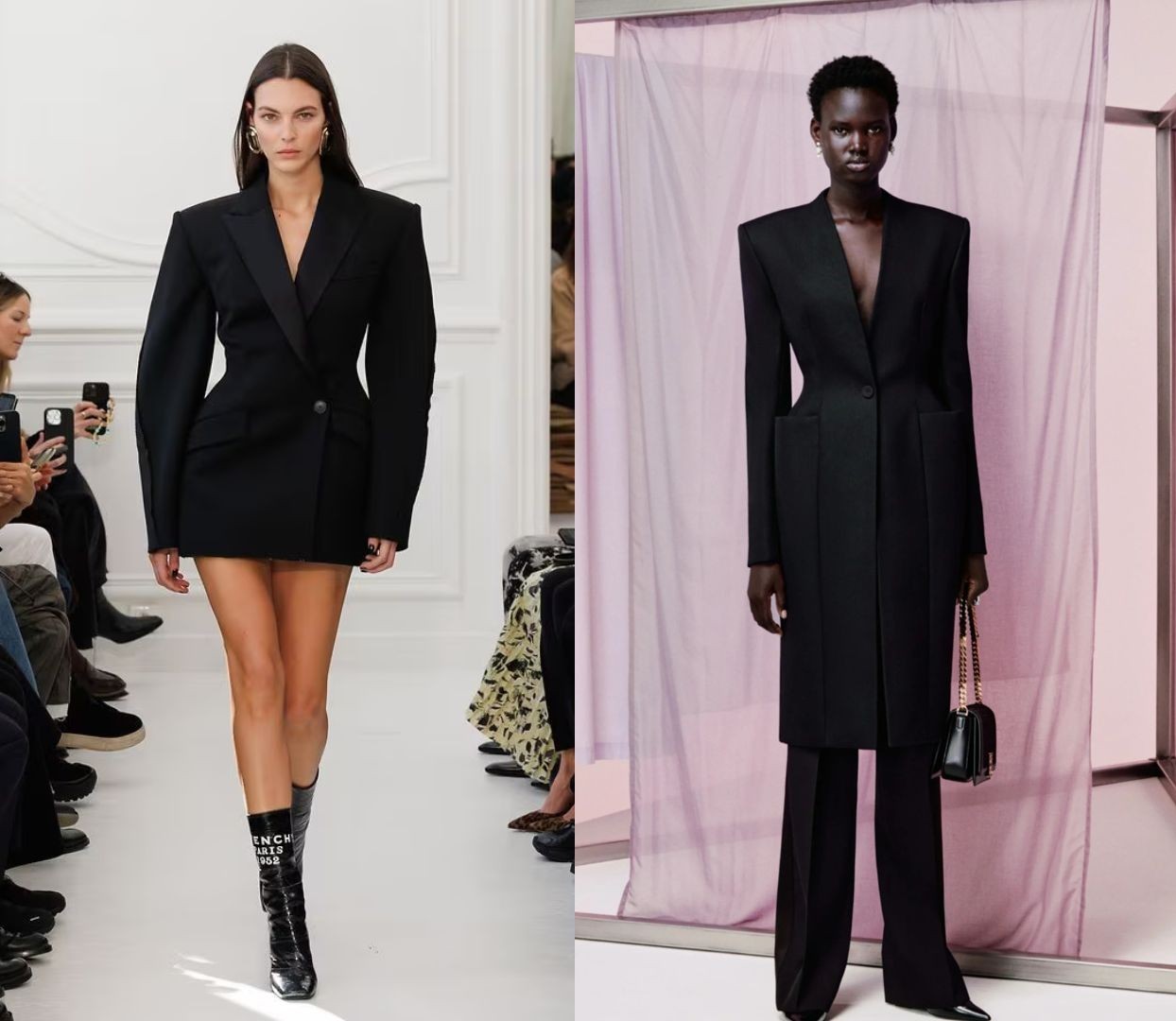
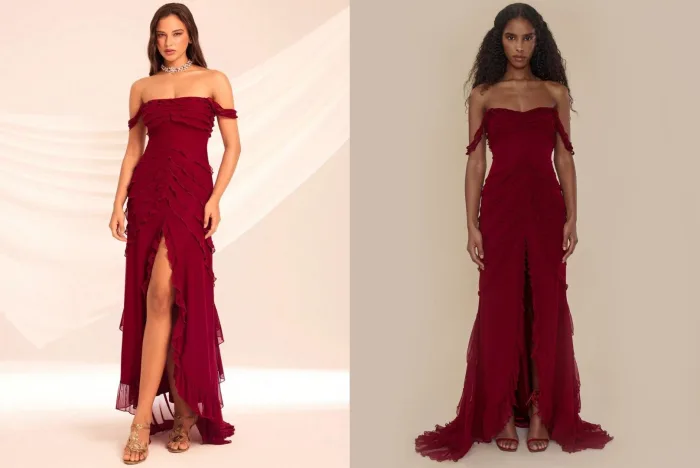
Left: Givenchy FW 2025, Right: Givenchy Resort 2024
Brands and fashion insiders often insist that inter-seasonal collections allow experimentation to test silhouettes and rehearse ideas before presenting them in the main collection. For example, Givenchy’s long black trench appeared in Resort 2024, only to re-emerge refined in Fall/Winter 2025.
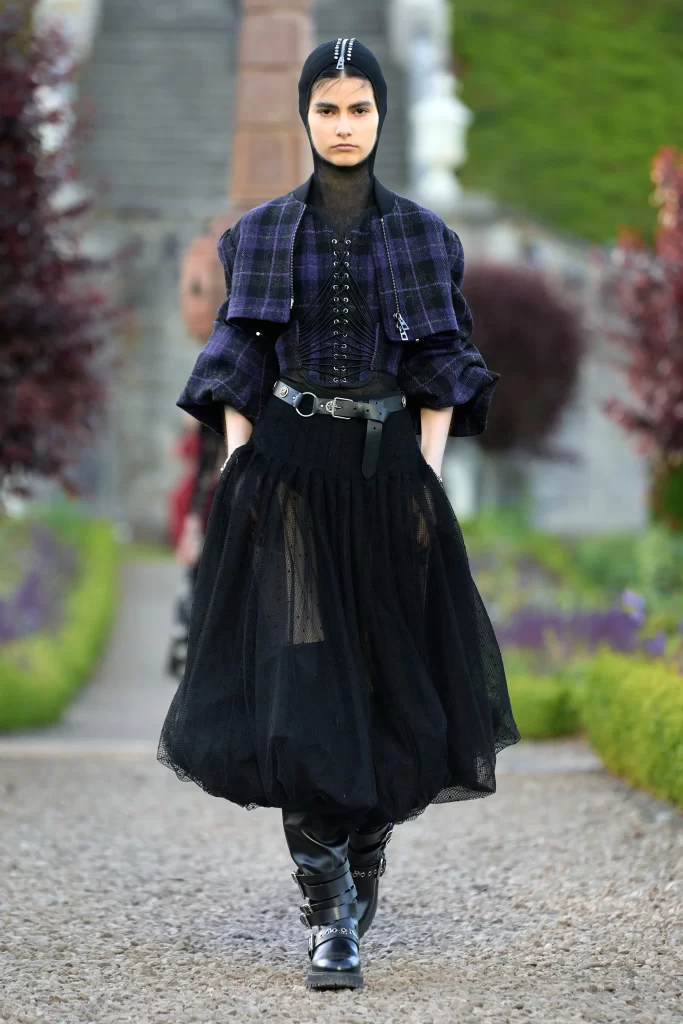
But now luxury houses are having hundred-look collections with no relation to the main collections. Is the idea of Resort Collections “innovating” ideas still relevant, given the example of Look 3 of Chanel Resort 2024 runway
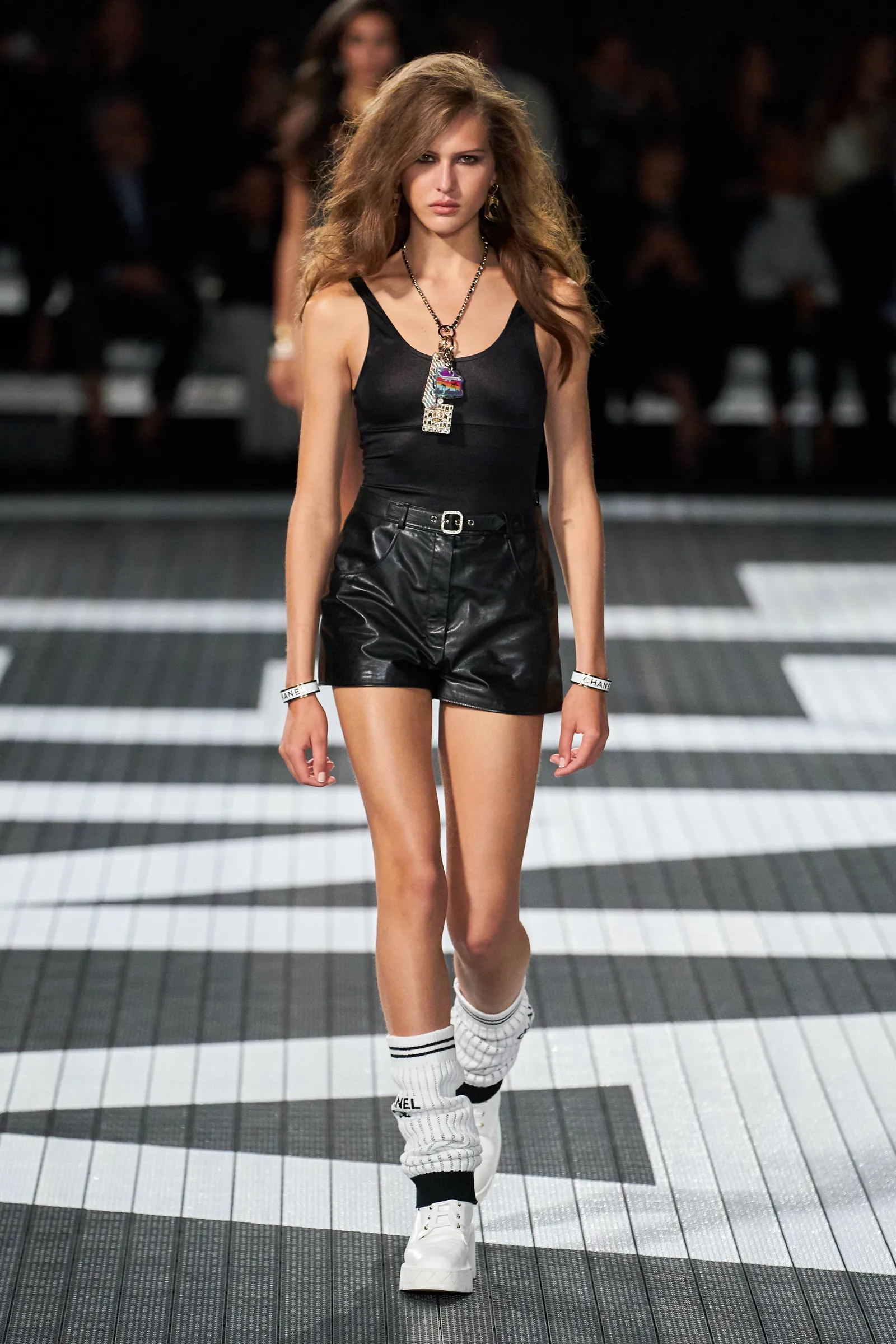
Chanel Resort 2024
And that leads us, inevitably, to the consumer because every justification eventually loops back to them. Are shoppers truly buying more today, or are they simply navigating an increasingly saturated retail space? If attention spans are shortening with trends becoming outdated faster than they can be worn, whose needs are really being met, the consumer’s or the corporation’s? Is the problem overproduction or overshopping?
Every major media outlet, expert, and fashion enthusiast is quick to talk about the toll this pace takes on designers, like Lagerfeld’s superhuman output, Tisci’s exhaustion, and Raf Simons’ warnings about burnout.
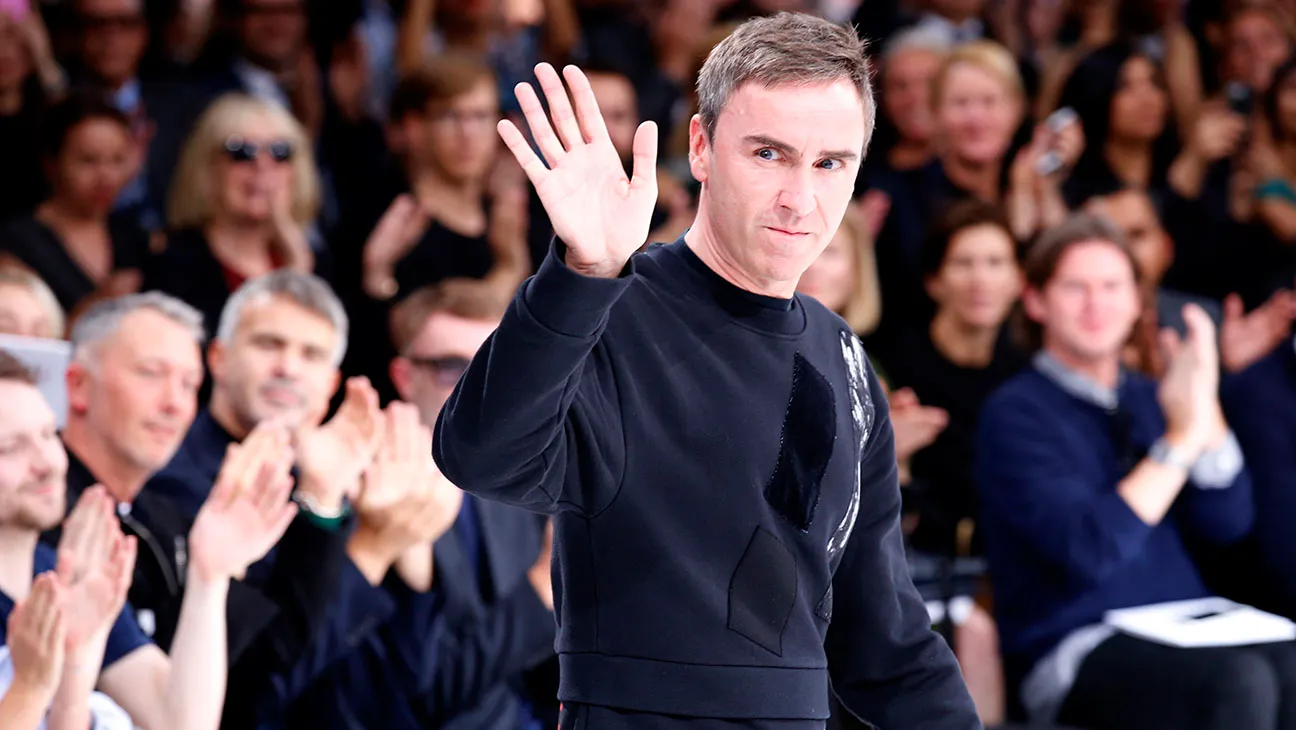
Raf Simmons
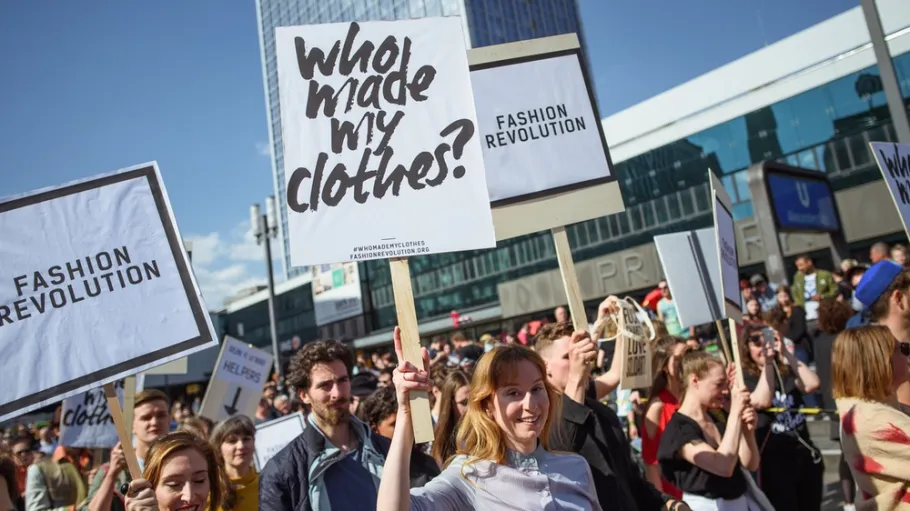
But what about the unnamed hands behind the scenes? The pattern-makers, the seamstresses, and the factory workers who are asked to produce 12, 14, or sometimes 16 collections a year with countless garments, that too at a speed faster than garments can even be sold.
In conclusion, perhaps these collections are necessary. Or perhaps we’ve only been told they are. Perhaps they offer choice, or perhaps they diffuse meaning. Do pre-collections guide the main collections, or merely compete with them? In a world of constant drop culture, does the concept of “season” even exist anymore? If every season is now an “urgent” one, is any of them truly special?